VEHICLE DYNAMICS
- Home
- /
- Working Domain
- /
- Computational Mechanics
- /
- VEHICLE DYNAMICS
VEHICLE DYNAMICS
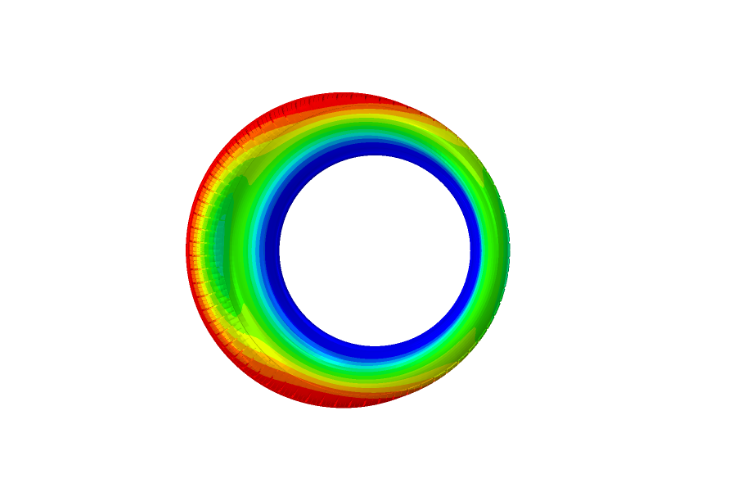
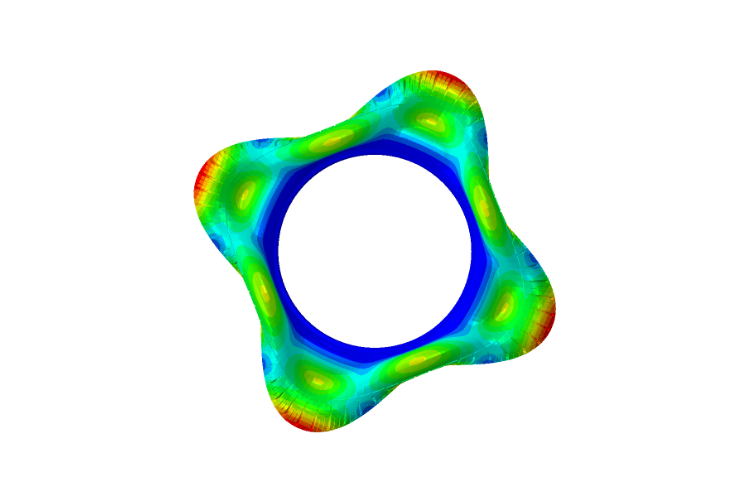
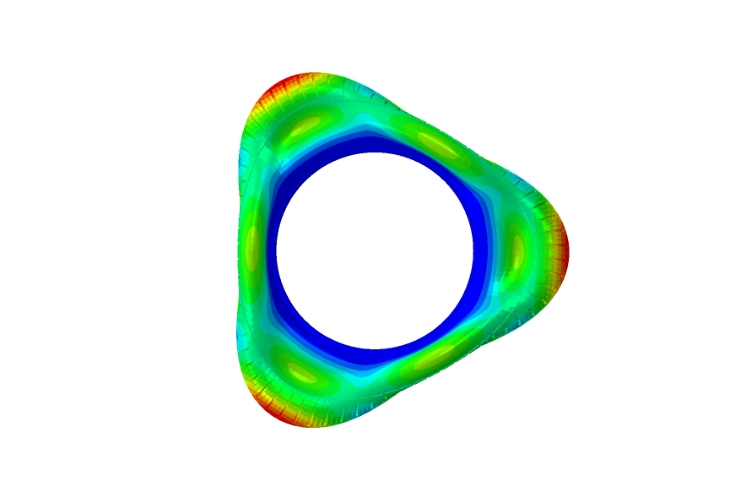

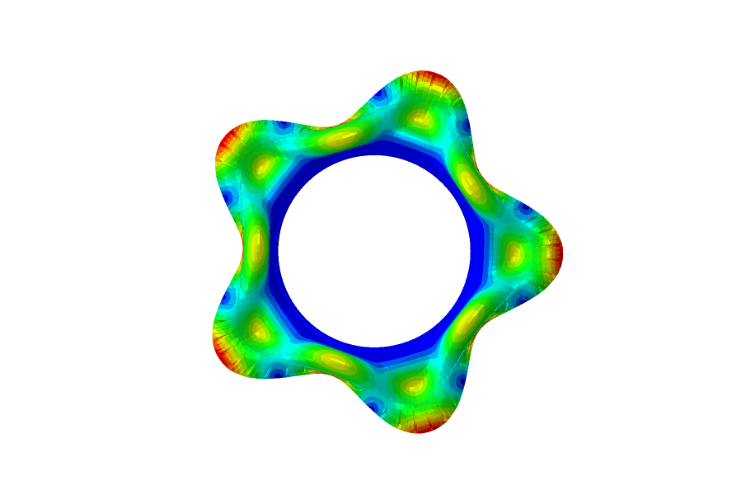


Modal Analysis
Tire behaviour under dynamic condition plays a vital role for its integrity as well as NVH performance of the vehicle. It is necessary to predict modal parameters viz. mode shapes, modal frequency and frequency response function under specific excitation condition so that design modifications can be done accordingly.
Material properties of tyre compounds studied through an elastomer testing lab further complement modal analysis by informing compound selection and damping behaviour.
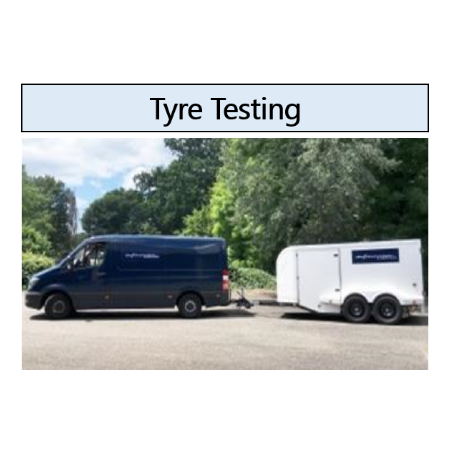

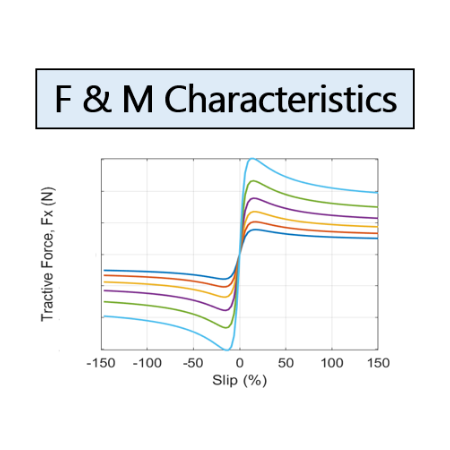


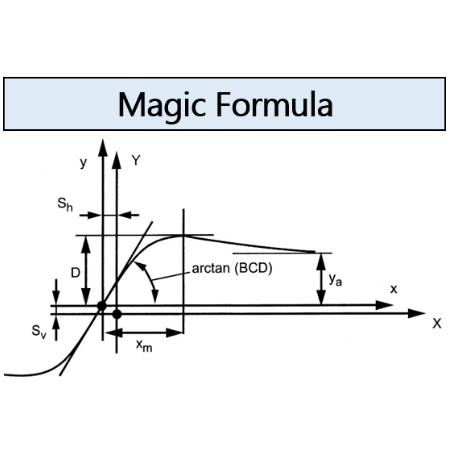

Tyre Models for Vehicle Simulation
The tyre characteristics e.g. lateral force, longitudinal force and aligning moment have significant effects on vehicle handling. These are mainly arising due to shear stress and friction at the contact patch. The tyre models are fitted with experimental data generated through our NABL lab and mathematical models like Pacejka, which are further used for vehicle handling simulation and validation.
Frequently Asked Questions
What is vehicle handling simulation?
Vehicle handling simulation uses mathematical tyre models and experimental data to predict how a vehicle responds to steering, braking, and acceleration under real driving conditions.
What is tyre modal analysis and what does it measure?
Tyre modal analysis identifies mode shapes, modal frequency, and frequency response functions under excitation, helping predict tyre dynamic behaviour and guide structural design modifications.
How does tyre dynamic behavior affect vehicle performance?
Tyre dynamic behavior directly influences braking, cornering, stability, and NVH performance. Accurate modelling of this behaviour is essential for safe vehicle design and handling validation.
What tyre characteristics are used in vehicle handling simulation?
Key tyre characteristics include lateral force, longitudinal force, aligning moment, and tyre friction and shear stress at the contact patch, fitted into mathematical models like Pacejka.
What mechanical properties of a tyre are critical for tyre simulation?
Critical mechanical properties of a tyre for simulation include stiffness, damping, elasticity, and viscoelastic compound behaviour, validated using NABL-accredited experimental test data.
How does HASETRI support tyre simulation and vehicle handling validation?
HASETRI generates experimental tyre characteristic data through its NABL-accredited lab and fits Pacejka tyre models used for vehicle handling simulation and validation.
Highlights
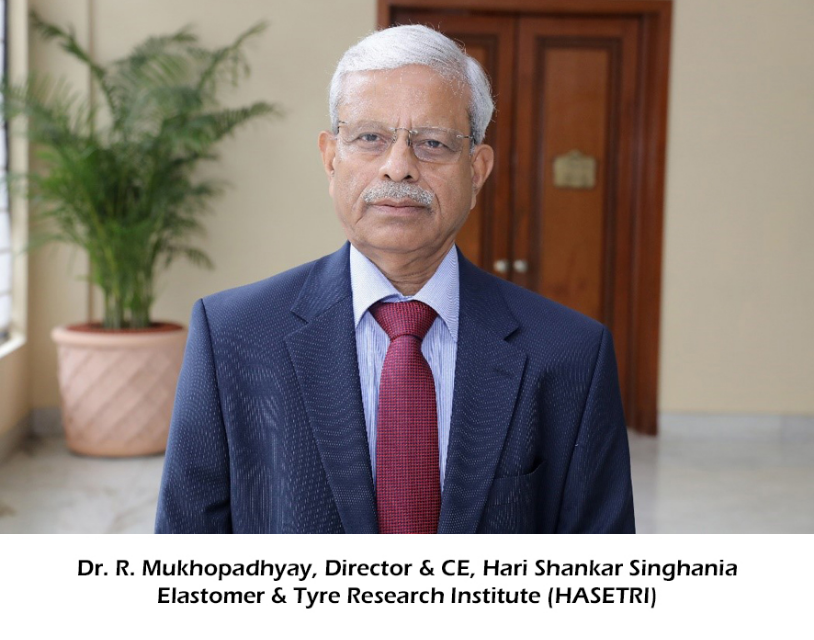
HASETRI featured in Indian/International Rubber Journal
An enlightening interview with Dr. R. Mukhopadhyay, Director & CE, HASETRI, speaks of the current situation of the Indian tire and rubber industry and how they are coping with the pandemic.
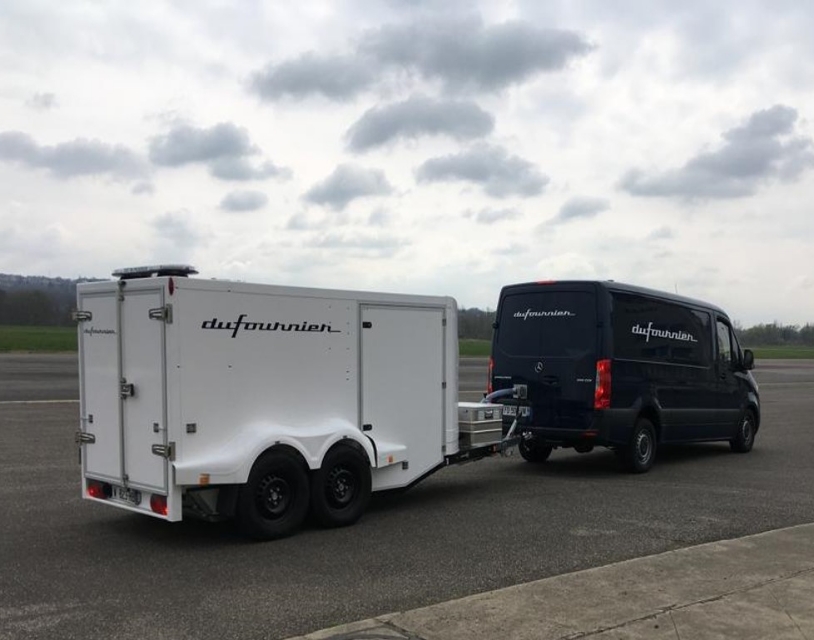
HASETRI successfully enhanced the scope of NABL accreditation
September 2021: HASETRI has successfully enhanced the scope of NABL accreditation in Wet Grip and Coast by Noise testing for Cl & C2 category tyres as per ECE R117 and proposed AIS 142.
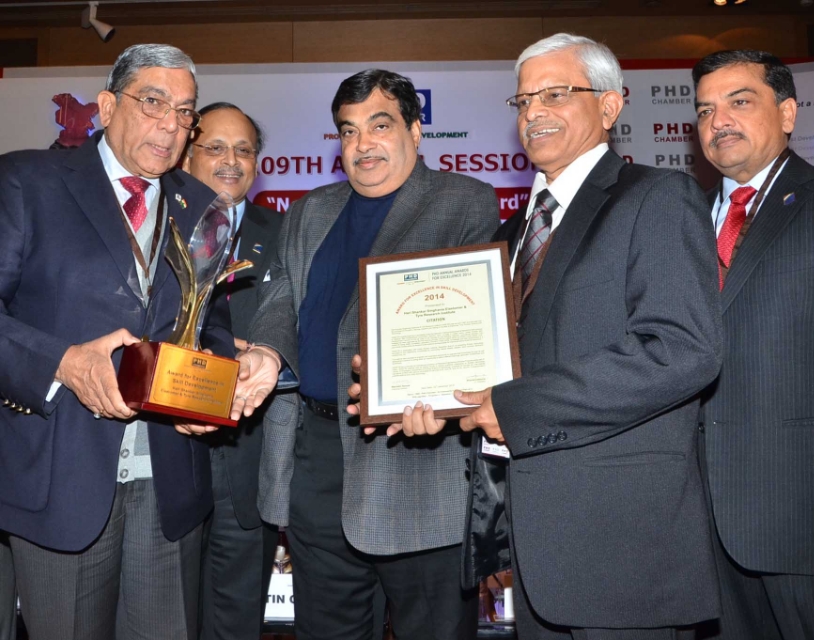
PHD Annual Awards for Excellence Announced
HASETRI imparted training to candidates under the STAR scheme of NSDC,GOI in rubber sector(under Rubber SDC)for the job roles of mill & Tyre Building Operator-commercial vehicles. The Institute has been approved as the first training provider for rubber sector by RSDC under NSDC,GOI
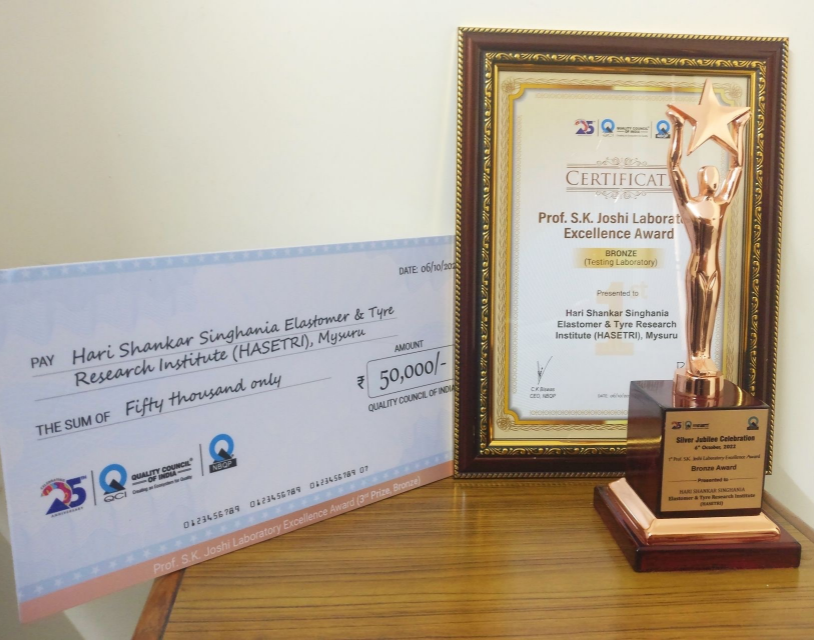
HASETRI receives the Prof. SK Joshi Laboratory Excellence Award
HASETRI received Prof. SK Joshi Laboratory Excellence Award from Quality Council of India (QCI) during their Silver Jubilee celebration held on 6th October 2022 at New Delhi. This is the first testing laboratory in private sector in India to receive this Award.

Elastomer And Tyre Research Institute