Tyre Modal Analysis
- Home
- /
- Working Domain
- /
- Tyre Modal Analysis
Tyre Modal Analysis And Dynamic Characterization Services
Tyre modal behaviour explains how a tyre vibrates. Every tyre has natural frequencies. It also has mode shapes and damping characteristics. When real driving conditions excite these frequencies, noise and vibration increase. This affects ride comfort and NVH.
Automotive tyre modal testing helps engineers measure these vibration characteristics in a controlled way. The output supports tyre design, vehicle tuning, and simulation validation. It also helps reduce resonance issues that show up as cabin noise, steering wheel vibration, or road noise peaks.
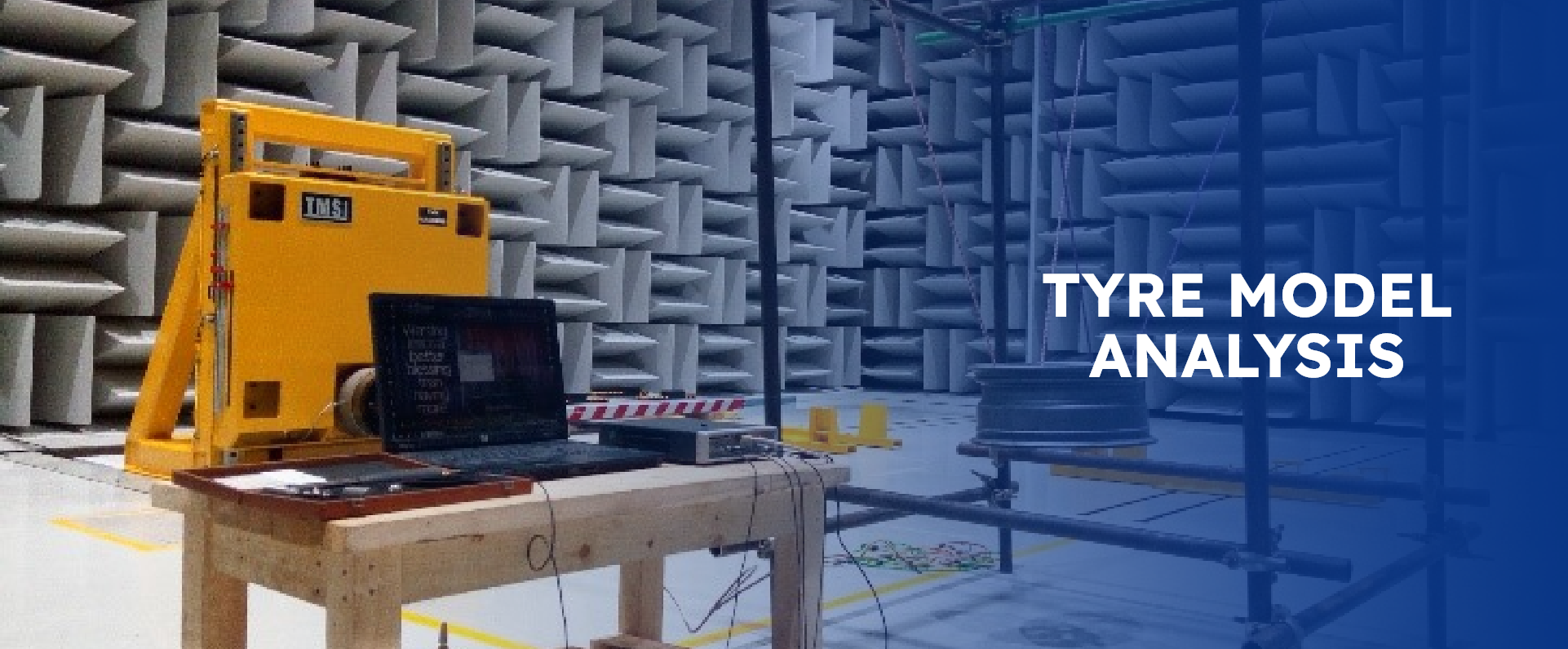
At HASETRI, tyre modal analysis is carried out in an ISO-certified semi-anechoic chamber. The chamber is mechanically and acoustically isolated. This improves measurement repeatability and data quality.
Understanding the Importance of Tyre Modal Analysis in Vehicle Performance
Tyre modal analysis matters because tyres influence both handling and comfort. A tyre is not just a rubber ring. It is a flexible structure. It vibrates under load and road input. Those vibrations can transfer into the vehicle.
Tyre modal analysis helps engineers understand:
- which frequencies are dominant
- how the tyre structure deforms at those frequencies
- how damping affects vibration build-up
- what operating conditions may excite resonance
This information is useful in vehicle performance work because it supports:
- stability and steering feel
- ride comfort and harshness reduction
- noise control at specific speed bands
- better correlation between simulation and test data
When tyre modal behaviour is understood, engineers can make decisions earlier. This reduces later rework in tyre design and vehicle tuning.
Why Conducting Tyre Modal Analysis Improves Ride Comfort and NVH
NVH issues often appear as peaks. A vehicle may feel fine at one speed and get noisy at another. This can happen when tyre modes align with vehicle structure modes or road excitation.
Tyre modal analysis helps reduce this risk by identifying modal frequencies and mode shapes before final validation.
It improves ride comfort and NVH because it helps:
- pinpoint frequency bands linked to road noise
- reduce resonance-related vibration transfer
- support quieter tyre designs and better cavity noise control
- improve troubleshooting when NVH issues appear in testing
Tyre modal data also supports better root-cause analysis. If you know the tyre’s modal frequencies, it is easier to check whether the tyre is the main contributor or whether the issue comes from the suspension or body structure.
Tyre Modal Parameters and Their Role in Vehicle Development
Tyre modal analysis produces specific parameters that engineers use in design and simulation. These parameters help connect tyre behaviour with vehicle performance.
The three main outputs are:
1) Modal Frequencies
These are the natural frequencies at which the tyre tends to vibrate. If road input or vehicle excitation matches these frequencies, resonance can occur. This can increase cabin noise and vibration.
2) Damping
Damping describes how quickly vibration reduces after excitation. Higher damping reduces vibration amplitude. Lower damping allows vibration to persist longer. Understanding damping helps improve comfort and reduce harshness.
3) Mode Shapes
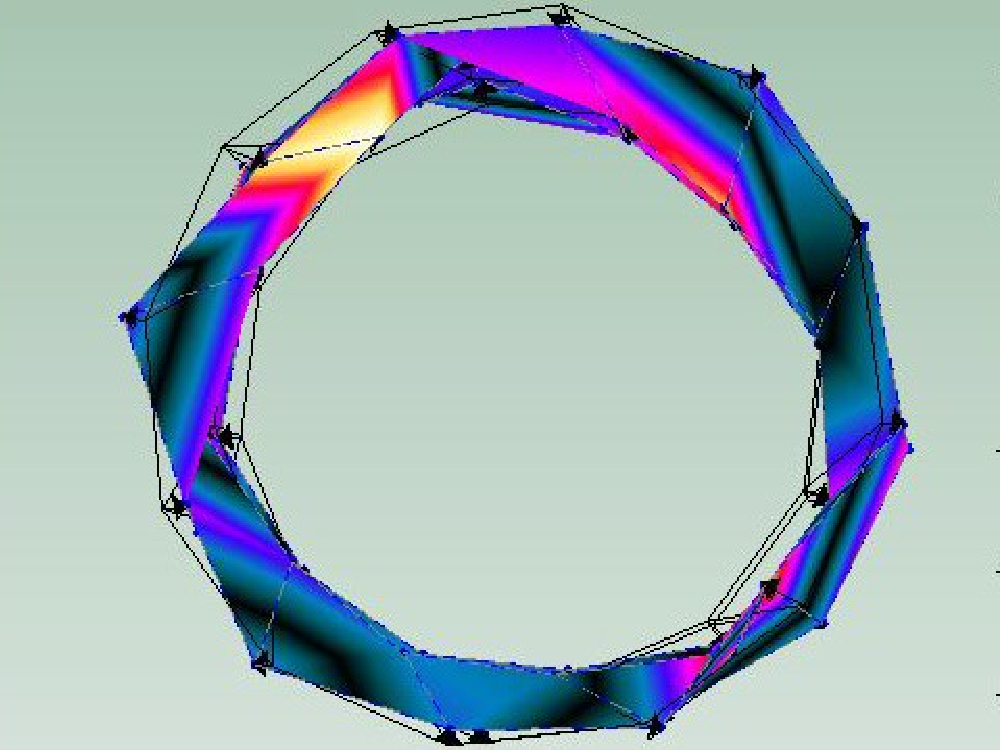
Mode shapes show how the tyre structure deforms at a specific frequency. Different modes can involve tread, sidewall, or belt region movement. Identifying these patterns helps engineers understand structural behaviour.
In vehicle development, these parameters are used to:
- Improve correlation between test and simulation
- Adjust tyre construction or material distribution
- Refine suspension tuning
- Avoid frequency overlap between tyre and vehicle body
Tyre modal data also supports NVH troubleshooting. If a specific frequency band causes concern, engineers can check whether it matches a tyre mode. This speeds up root cause analysis.
By combining experimental tyre modal results with simulation models, development cycles become more efficient. Design changes can be validated earlier. This reduces later corrections during vehicle validation.
Contact us to plan your automotive tyre modal testing and data requirements.
Step-by-Step Process of Tyre Modal Analysis in a Testing Lab
A tyre modal test needs a stable setup and repeatable inputs. This is why controlled facilities are used.
A typical testing-lab workflow looks like this:
Define the test objective:
Decide what needs to be measured. For example, modal frequencies in different directions or comparison across tyre designs.
Prepare the tyre and setup:
Mount the tyre and set the test boundary conditions. Consistent mounting is important for repeatable results.
Instrument the tyre:
Place sensors to capture vibration response at required points.
Excite the tyre and capture response:
Apply controlled excitation and record response signals. Data acquisition systems capture the response across frequency.
Extract modal parameters
Compute modal frequencies, damping, and mode shapes. These are the main outputs of the test.
Compare with simulation if needed
Experimental mode shapes can be compared with finite element results. This improves model correlation and future prediction accuracy.
This is where tyre modal analysis techniques matter. Testing performed through our NABL lab helps ensure accurate vibration measurement without unwanted influence from the surrounding environment or test setup.
Common Challenges and Solutions in Tyre Modal Analysis
Tyre modal analysis can be affected by setup variation and measurement noise. Common issues include:
Challenge: inconsistent mounting conditions
Even small setup changes can shift results.
Solution: use controlled fixtures and repeatable mounting procedures.
Challenge: environmental noise affecting measurement
External vibration and sound can disturb results.
Solution: conduct testing in an isolated environment like a semi-anechoic chamber.
Challenge: unclear mode shape identification
Overlapping modes can make interpretation difficult.
Solution: use proper sensor placement and consistent excitation methods.
Challenge: poor correlation with simulation
A model may not match test data if inputs are wrong.
Solution: use experimental results to update model parameters and boundary assumptions.
These steps help ensure that automotive tyre modal testing gives usable data for engineering decisions.
What is Tyre Modal Analysis and Why is it Important?
Tyre modal analysis is a method used to measure tyre vibration characteristics. It focuses on three outputs:
- modal frequencies
- damping
- mode shapes
This data is important because it explains why certain tyres create more noise or vibration at specific speeds. It also supports simulation work and helps reduce NVH issues before a product is finalised.
Reach out to schedule tyre modal analysis and support NVH and vehicle performance improvements.
High-Precision Tyre Modal Analysis : SAE Standard
The Modal Analysis is a predictive Tool for vibration and structural Engineering. HASETRI's ISO certified Semi Anechoic Chamber houses the facility to conduct Modal Analysis on structures and extract its Modal Parameters- Modal Frequencies, Damping
and the Mode Shapes. Tyre Modal Analysis is conducted as per SAE Standard, and the modal frequencies for various directions estimated. The Experimental Mode shapes can be compared with the Finite Element model for the same tyre.
Chamber being mechanically and acoustically isolated from the surroundings makes the measurements reliable and repeatable.
Tyre compounds and rubber materials used in construction are also evaluated through our
elastomer testing lab
to support material characterisation alongside structural testing.

Frequently Asked Questions
A tyre model is a mathematical simulation tool that represents how a tire interacts with the road surface by calculating the forces and moments it generates. These models are crucial for analyzing vehicle dynamics, particularly during cornering, acceleration, and braking. Depending on the need, tyre models can range from simple data-driven versions to complex, physics-based ones that offer more accurate predictions of tire behavior.
Tyre models vary by approach and complexity: Empirical Models – built on test data (e.g., Pacejka’s Magic Formula) to predict tire forces and slip. Physically-Based Models – use physical principles (e.g., Brush, FTire, RMOD-K, Hankook) for realistic road interaction. Theoretically-Based Models – rely on mechanics (e.g., Fiala, FEM) for highly detailed structural simulations.
Tyre models rely on several key parameters to simulate tire behavior accurately: Slip Angle: The angle between the actual path of the tire and the direction it is pointing, crucial for understanding cornering behavior. Lateral Force: The sideways force generated by the tire during cornering, which affects vehicle stability and handling. Load Index: A numerical code indicating the maximum load a tire can support. Speed Rating: A classification that specifies the maximum speed at which a tire can safely operate.
Tyre models play a vital role in enhancing vehicle safety and performance. They are used in ADAS and autonomous driving systems to predict tire behavior and prevent accidents. In vehicle development, tyre models help optimize handling, braking, and overall performance. Additionally, by reducing reliance on physical testing, they lower development costs and shorten the design cycle.
Choosing the right tyre size is vital for safety and performance. Key factors include load ratio (weight support), tire width (stability and handling), and tire diameter (affects speedometer/odometer accuracy). The correct size ensures proper dynamics, accurate readings, and safe driving.
Highlights
HASETRI featured in Indian/International Rubber Journal
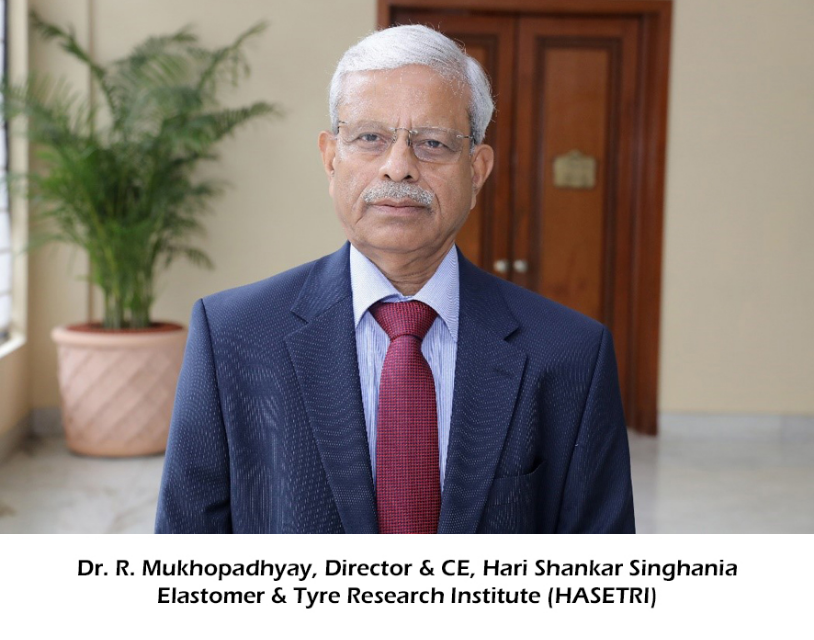
An enlightening interview with Dr. R. Mukhopadhyay, Director & CE, HASETRI, speaks of the current situation of the Indian tire and rubber industry and how they are coping with the pandemic.
HASETRI successfully enhanced the scope of NABL accreditation
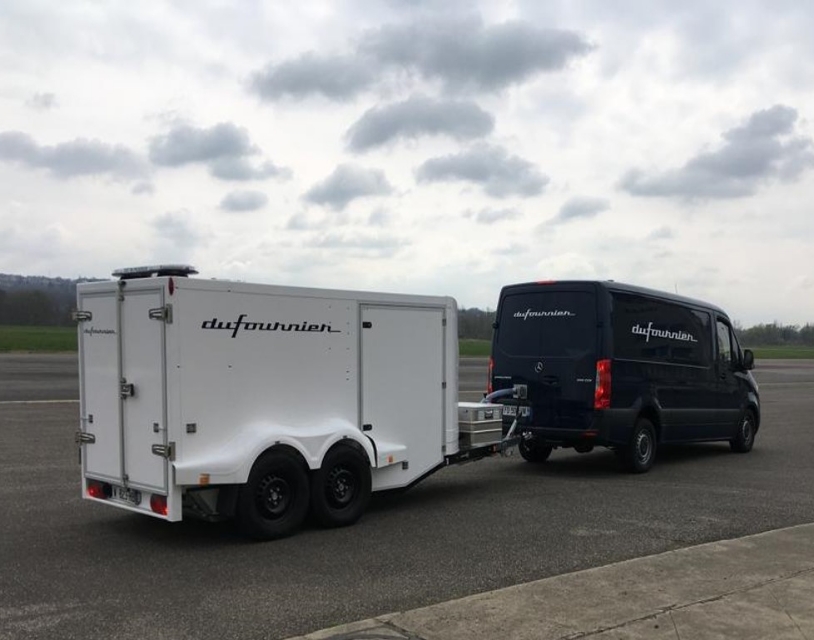
September 2021: HASETRI has successfully enhanced the scope of NABL accreditation in Wet Grip and Coast by Noise testing for Cl & C2 category tyres as per ECE R117 and proposed AIS 142.
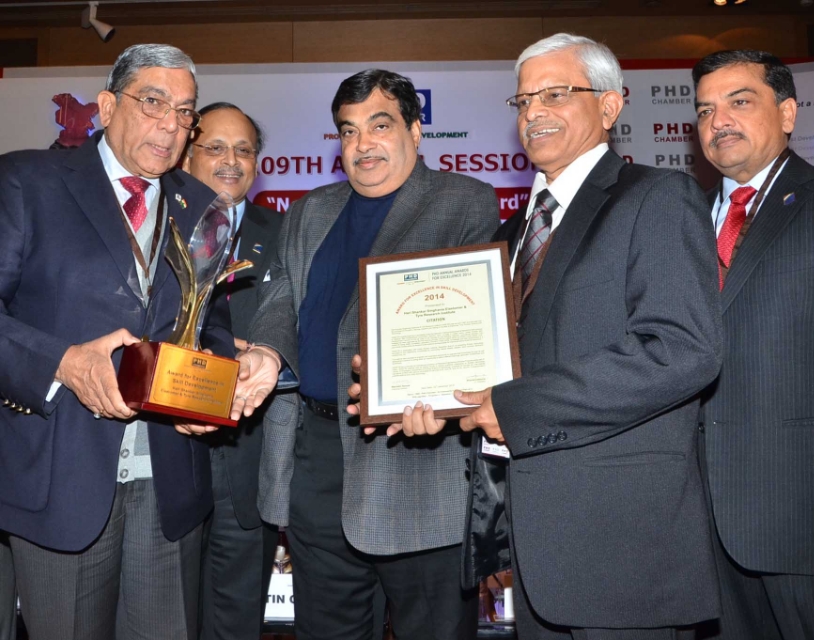
PHD Annual Awards for Excellence Announced
HASETRI imparted training to candidates under the STAR scheme of NSDC,GOI in rubber sector(under Rubber SDC)for the job roles of mill & Tyre Building Operator-commercial vehicles. The Institute has been approved as the first training provider for rubber sector by RSDC under NSDC,GOI
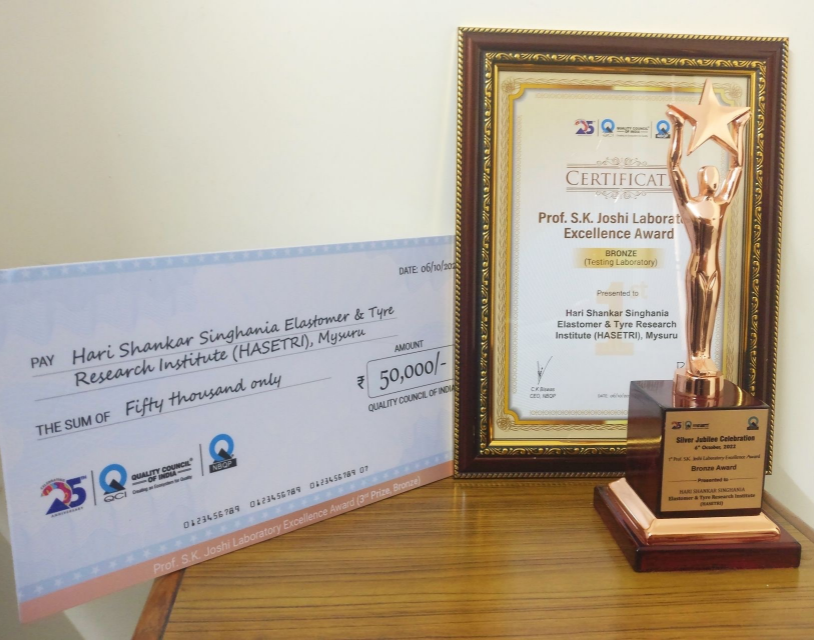
HASETRI receives the Prof. SK Joshi Laboratory Excellence Award
HASETRI received Prof. SK Joshi Laboratory Excellence Award from Quality Council of India (QCI) during their Silver Jubilee celebration held on 6th October 2022 at New Delhi. This is the first testing laboratory in private sector in India to receive this Award.

Elastomer And Tyre Research Institute